 Romford Dogs
  Available in US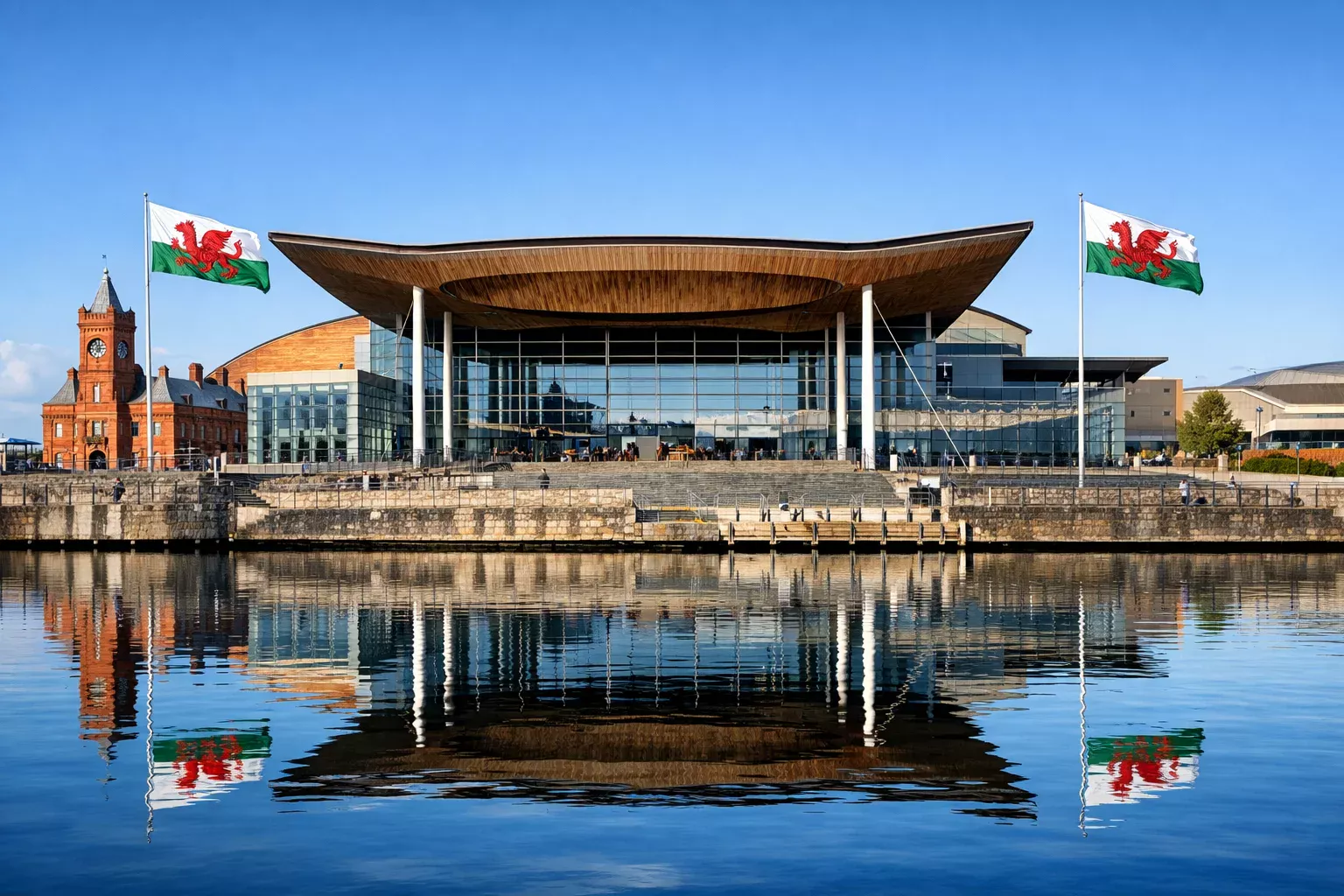
Wales is set to become the first UK nation to ban greyhound racing. The Senedd’s Greyhound Racing Prohibition Bill, introduced in September 2025, marks a significant shift in how devolved governments approach animal welfare legislation. For anyone following UK greyhound racing, the Welsh decision raises questions about precedent, about the sport’s future elsewhere in Britain, and about what happens to the greyhounds currently racing in Wales.
The legislation did not emerge from nowhere. Years of campaigning by animal welfare organisations, accumulating data on injuries and fatalities, and shifting public attitudes toward using animals for entertainment combined to create political momentum. Deputy First Minister Huw Irranca-Davies stated that Wales would be proud to be the first nation in the UK to take this step, signalling both conviction and awareness of the symbolic weight the decision carries.
Understanding what the Welsh ban entails, how it came about, and what it might mean for English and Scottish racing helps anyone with interests in the sport navigate an uncertain landscape. The legislation represents one outcome of an ongoing debate that extends well beyond Welsh borders.
Legislative Background
Animal welfare falls within the Senedd’s devolved competencies, giving the Welsh Government authority to legislate on greyhound racing without requiring Westminster approval. This constitutional arrangement enabled Wales to pursue prohibition while England maintains licensed racing and Scotland conducts its own separate policy review. The patchwork outcome reflects devolution’s practical reality: different jurisdictions reaching different conclusions on the same issue.
The prohibition announcement in February 2025 followed consultation and political debate within Wales. A public petition supporting the ban gathered over 35,000 signatures, demonstrating public engagement with the issue. Animal welfare organisations including Dogs Trust and the RSPCA publicly backed prohibition, while GBGB and industry representatives argued for continued regulation rather than outright bans.
Welfare Debate
Proponents of the ban cite injury and fatality data as evidence that greyhound racing causes unacceptable harm. According to Welsh Government statements, the harm from greyhound racing can no longer be justified. Critics counter that GBGB-licensed racing has improved significantly, pointing to declining injury rates and increased retirement success rates as evidence that regulation works.
The debate reflects broader tensions about using animals for entertainment and whether welfare improvements can ever adequately address fundamental concerns about the activity itself. Those positions prove difficult to reconcile; the Welsh Government concluded that improved welfare measures did not resolve underlying objections to the sport’s existence.
Scottish Parallel
Scotland has conducted its own review of greyhound racing welfare. The Scottish Animal Welfare Commission examined the issue, producing a report that fed into Scottish Government deliberations. While Scotland has not enacted prohibition, the regulatory attention demonstrates that Welsh action occurs within a broader UK context of scrutiny toward greyhound racing. What happens in one devolved nation influences debates in others.
Bill Provisions
The Greyhound Racing Prohibition Bill makes it illegal to operate greyhound racing in Wales or to allow land in Wales to be used for greyhound racing. The prohibition extends to training facilities specifically preparing dogs for racing. Penalties for violations include fines and potential criminal liability for organisers who continue operating after the law takes effect.
The legislation includes transition provisions recognising that existing operations need time to wind down. Greyhounds currently racing in Wales will require rehoming or transfer to operations outside Wales. The transition timeline aims to balance prohibition objectives with practical considerations about what happens to dogs and facilities during the changeover period.
Scope and Exemptions
The ban covers commercial greyhound racing with public attendance and wagering. Amateur events and non-competitive activities involving greyhounds may be treated differently under the final legislation. The exact scope of exemptions remained subject to debate during the bill’s passage, with questions about charity events, demonstrations, and recreational running requiring clarification.
Enforcement mechanisms will fall to local authorities with support from Welsh Government agencies. Detecting violations and pursuing prosecutions requires resources and prioritisation decisions that practical implementation will reveal. The legislation creates the legal framework; effective enforcement determines its real-world impact.
Timing and Implementation
Wales currently hosts no GBGB-licensed tracks, meaning the immediate practical impact falls on unlicensed or independent operations. The symbolic and precedential significance outweighs the direct operational disruption within Wales itself. For the broader UK industry, the concern centres on whether Welsh prohibition encourages similar moves in England or Scotland rather than on the loss of Welsh racing specifically.
UK Implications
England hosts the vast majority of UK greyhound racing, including Romford and all other GBGB-licensed tracks. Westminster has shown no inclination toward prohibition, and industry stakeholders emphasise that English policy remains distinct from Welsh decisions. The structural separation means Welsh prohibition does not directly affect English racing’s legal status.
Indirect effects may prove more significant than direct ones. Media coverage of the Welsh ban keeps greyhound welfare in public discourse. Campaign organisations use the Welsh precedent to argue for similar action in England. Political pressure, even if unsuccessful in producing prohibition, may intensify regulatory requirements on English tracks. The environment within which UK greyhound racing operates becomes less favourable regardless of whether outright bans follow.
Industry Response
GBGB has responded to prohibition threats by emphasising welfare improvements and arguing that regulated racing addresses concerns more effectively than bans. Statistics showing reduced injury rates, increased retirement success, and enhanced welfare schemes feature prominently in industry communications. Whether these arguments persuade policymakers and the public will determine the sport’s long-term trajectory.
Track operators continue investing in facilities and programming while navigating uncertain futures. The tension between operating as though the sport continues indefinitely and preparing for potential contraction creates strategic challenges. Some investment decisions that make sense assuming continuation look problematic assuming decline.
Broader Context
Wales joins a global pattern of jurisdictions restricting or banning greyhound racing. According to the GREY2K worldwide report, only 93 commercial greyhound tracks remain operational globally across just five countries. New Zealand announced phase-out plans. Several Australian states have tightened regulations following welfare scandals. The sport’s geographic footprint has contracted over decades, with UK racing now operating on fewer tracks than in previous generations. The Welsh ban fits this trajectory even if English racing persists for the foreseeable future.
For punters and followers of UK greyhound racing, the Welsh situation warrants attention without demanding panic. Romford and other English tracks continue operating under GBGB regulation. The sport’s challenges are real but not immediately existential. Understanding the landscape helps interpret developments as they occur rather than reacting to headlines without context.
The coming years will reveal whether Wales represents an isolated case or the beginning of broader UK prohibition. Industry efforts to demonstrate welfare improvements continue alongside campaign pressure for further restrictions. The outcome remains genuinely uncertain, shaped by public attitudes, political priorities, and the sport’s ability to address welfare concerns convincingly. Those with stakes in UK greyhound racing, whether as participants, punters, or observers, would do well to follow developments while recognising that English racing’s fate is not yet written.
Important Notice
This article provides general information about Welsh greyhound racing legislation and its potential implications. Legal and regulatory situations evolve; consult current official sources for the latest developments. This content does not constitute legal advice or political commentary. Views attributed to officials or organisations reflect publicly reported statements. Greyhound racing remains legal and regulated in England under GBGB licensing. Gambling involves risk; bet responsibly and only with funds you can afford to lose.
Wales Greyhound Racing Ban — More on this topic at results romford dogs.
See also Tote Betting on Greyhounds.
