 Romford Dogs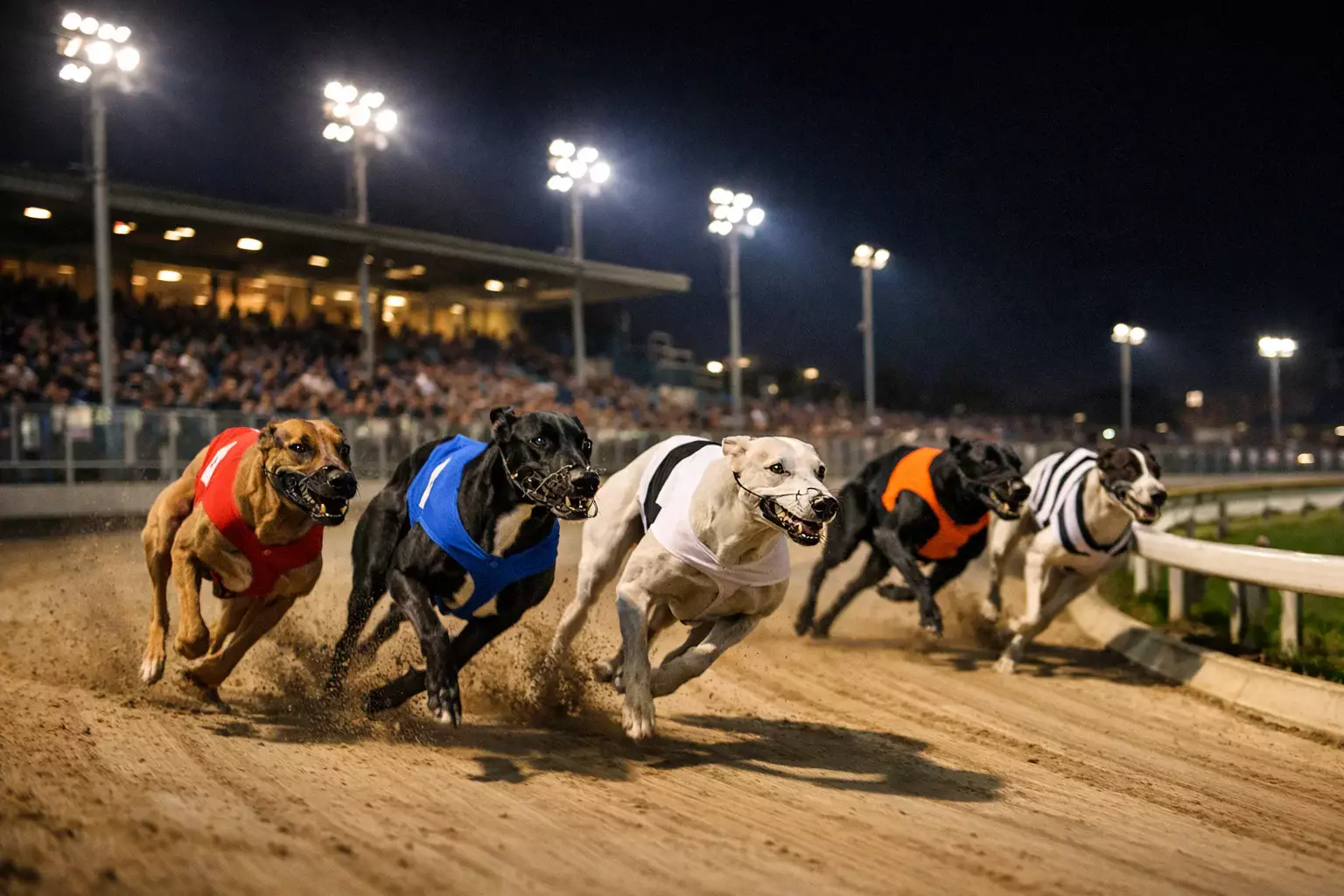
Best Greyhound Betting Sites – Bet on Greyhounds in 2026
Loading...
Knowing when Romford dogs race is half the battle for anyone trying to follow London’s last greyhound track. Since Crayford Stadium closed its gates in January 2025, Romford has stood alone as the only venue in Greater London still running licensed greyhound meetings. With just 18 licensed tracks remaining across the UK as of January 2025, down from 77 in the 1940s, every active venue carries increased significance. That means every punter, casual fan, or curious newcomer in the capital now points their compass at the Essex end of the District line.
The track operates six meetings per week, a schedule that balances evening entertainment with daytime BAGS fixtures designed to feed the bookmakers’ appetite for content. Understanding which sessions fall under which category matters: prize money differs, field quality varies, and the atmosphere shifts depending on whether the floodlights are warming up for a Friday night crowd or the morning air hangs quiet over a Tuesday card. This guide maps out the full weekly rhythm so you can plan accordingly.
Weekly Schedule Overview
Romford’s race calendar repeats with reassuring predictability. Six meetings, seven days, and a rhythm that has barely changed in years. The flagship sessions come on Friday and Saturday evenings, when the stadium fills with families, groups on nights out, and regulars who have occupied the same spot at the rail for decades. First race typically goes off around 7:30pm, with cards running through until late evening across 12 to 14 races.
Midweek sees a different character. Monday mornings host BAGS meetings beginning around 10:00am, while Tuesday afternoons add another daytime session kicking off at 1:30pm. Wednesday evening provides a midweek option with doors opening at 6:00pm. Saturday morning rounds out the daytime slots with a 10:00am start. Six meetings, spread across the week, giving punters and followers ample opportunity to engage with the track regardless of their schedule.
Evening Meetings
Friday and Saturday nights represent Romford at its most atmospheric. These are the sessions that attract the largest trackside crowds, the ones where the restaurant fills up and the bars do genuine trade. Prize money tends to be higher on evening cards, which in turn attracts better quality fields. Trainers often save their promising dogs for these meetings, knowing the competition will be stiffer but the rewards greater.
Evening meetings typically feature 12 to 14 races, with doors opening at 6:00pm and the first greyhound entering the traps around 6:30pm to 6:45pm. Intervals between races allow for studying form, placing bets, and absorbing the peculiar theatre of greyhound racing: the parade ring inspection, the pre-race kennelling, the sudden burst of noise as the hare swings past and the traps spring open.
Morning and Afternoon Sessions
The daytime fixtures serve a different purpose. These BAGS-contracted meetings exist primarily to supply content for betting shops and online bookmakers throughout the day. Crowds are sparse, often comprising only trainers, owners, and the most dedicated form students. The atmosphere lacks evening electricity, but what these sessions lose in spectacle they gain in accessibility. Anyone serious about studying Romford’s quirks can watch race after race without the distractions of a social crowd.
Monday morning cards start with doors opening at 10:00am. Tuesday afternoons begin around 1:30pm, while Wednesday evening sessions offer a midweek alternative with doors at 6:00pm. Saturday morning meetings open their doors at 10:00am. Each meeting runs through a similar number of races to the evening fixtures, but the pace feels more workmanlike, less theatrical.
BAGS vs Open Racing
BAGS stands for Bookmakers’ Afternoon Greyhound Service, though the name has become something of a misnomer since these meetings now run in the morning and afternoon across multiple time slots. The principle remains the same: licensed tracks contract with betting operators to provide racing content during hours when horse racing coverage is thin. Bookmakers want product to sell. Tracks want guaranteed income. The arrangement suits both.
At Romford, the four daytime meetings per week all fall under BAGS contracts. This affects several aspects of the racing. Prize money comes from a pool funded by bookmaker contributions rather than track revenue alone, which typically means lower purses than evening open racing. Bookmakers contribute a voluntary levy of approximately 0.6% of their greyhound racing turnover to support the sport through the British Greyhound Racing Fund, which collected £6.75 million in 2024-25. The result is a slight but noticeable dip in average field quality compared to evening cards. Top-tier trainers still enter dogs, but they tend to send their A-string runners to the better-funded evening sessions.
For punters, this distinction matters. BAGS racing can offer value precisely because public attention focuses elsewhere. The betting markets for a Wednesday morning card receive less scrutiny than a Saturday evening feature race. Shrewd observers who have done their homework can sometimes find prices that would never survive in a more competitive market. The flip side: less information circulates about these runners, making form study more demanding.
Open Racing Explained
Friday and Saturday evening meetings operate outside the BAGS framework. These sessions carry the track’s own prize money, supplemented by sponsorships and traditional entry fees. Open races attract the sharper kennels, the dogs being prepared for graded competitions, and occasionally the stars being readied for bigger prizes at other venues.
The distinction between BAGS and open racing becomes particularly relevant when comparing form across meetings. A dog that dominated a Tuesday afternoon card may find tougher opposition on Friday night. Conversely, a runner dropping down from evening company to a daytime fixture might represent genuine value if the market underestimates the class differential.
Planning Your Visit
Romford Stadium sits within walking distance of Romford railway station, making it one of the more accessible tracks in the country for anyone relying on public transport. Evening meetings align neatly with commuter patterns: arrive after work, catch ten or twelve races, and still make a reasonable train home. The District line and TfL Rail both serve the area, though checking late-night service times remains advisable for Saturday nights.
For daytime meetings, access is even simpler. Midweek mornings and afternoons see minimal traffic, and the car park has capacity to spare. These sessions suit anyone who wants to study the track without battling crowds or booking restaurant tables weeks in advance.
What to Expect Trackside
Evening meetings offer multiple viewing options. The grandstand provides covered seating with decent sightlines, while the trackside rail lets you feel the rush of six dogs hurtling past at close range. Restaurant packages combine dining with racing, popular for birthdays, work functions, and groups looking for a night out with built-in entertainment.
Daytime sessions run leaner. Catering operates on a reduced schedule, and the atmosphere tends toward functional rather than festive. But for pure racing study, these meetings have their appeal. Fewer distractions, cleaner observation, and the chance to watch how different dogs handle the track without social noise clouding your concentration. Serious form students often prefer these quieter cards.
Checking the official Romford Stadium events page before visiting remains sensible practice. Occasionally meetings shift due to weather, track maintenance, or scheduling clashes. The core rhythm of six meetings per week holds steady, but individual dates can flex.
Important Information
Meeting times and schedules can change due to weather conditions, track maintenance, or other operational factors. Always confirm specific race times before travelling. Betting on greyhound racing involves financial risk, and you should only wager amounts you can afford to lose. If gambling stops being enjoyable, organisations like GamCare and BeGambleAware offer support and resources.
This content is provided for informational purposes only and does not constitute advice or encouragement to bet. The author has no affiliation with Romford Stadium, the GBGB, or any bookmaker.