 Romford Dogs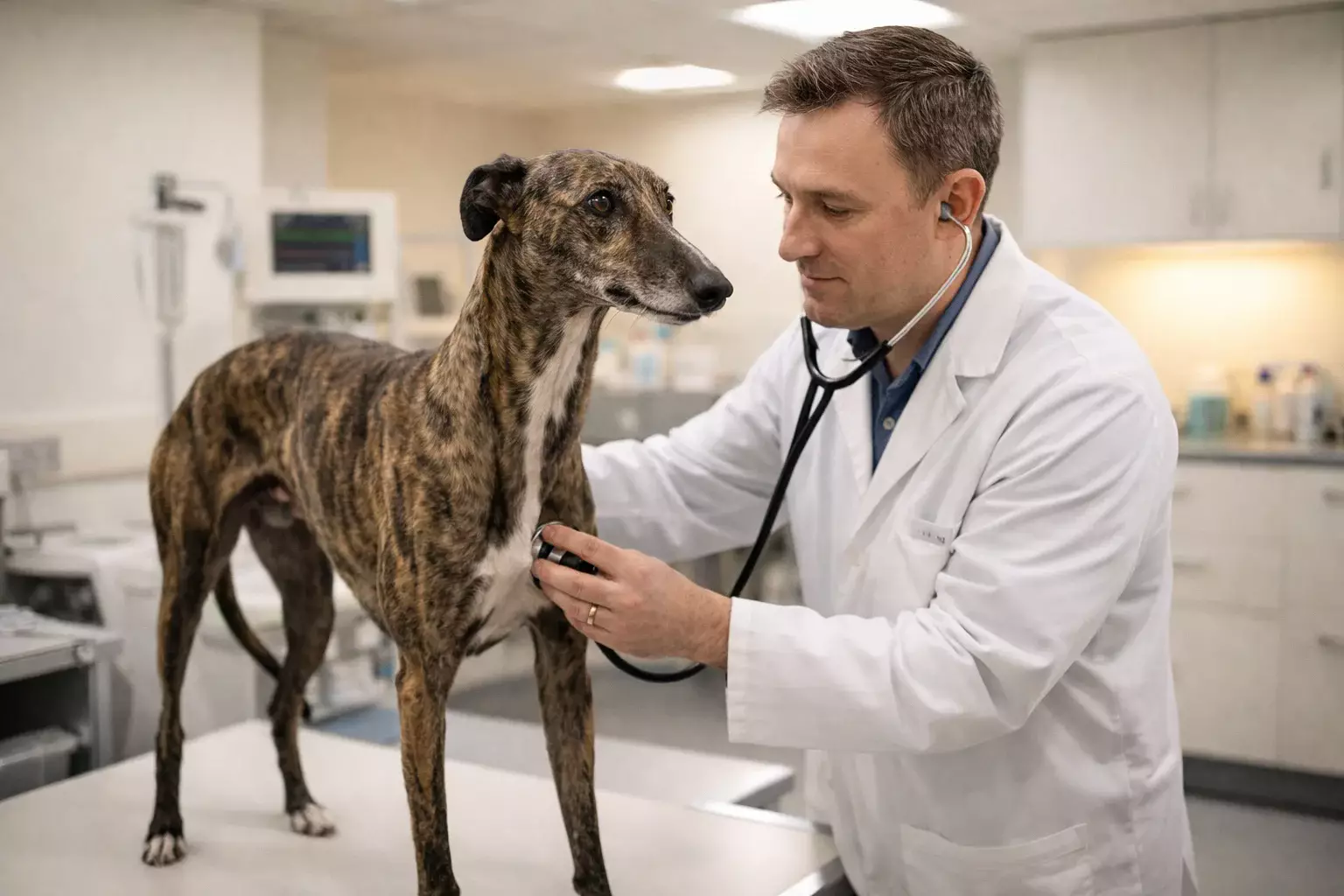
Best Greyhound Betting Sites – Bet on Greyhounds in 2026
Loading...
Racing injuries happen. When a greyhound pulls up lame or collides with another dog, somebody has to pay the vet bills. The GBGB Injury Recovery Scheme exists precisely for this purpose: a dedicated fund that covers veterinary costs for greyhounds injured during licensed racing. Care costs covered, directly from industry resources rather than falling entirely on individual trainers.
The scheme represents a practical response to one of the sport’s ongoing challenges. Veterinary treatment can be expensive, and trainers operating on tight margins might otherwise face difficult decisions when injuries occur. By pooling resources and establishing clear procedures, the IRS ensures that financial constraints do not compromise the care that injured dogs receive. Understanding how the scheme operates helps trainers access support and gives observers insight into how the industry addresses welfare concerns.
How IRS Works
The Injury Recovery Scheme operates through the Greyhound Board of Great Britain, funded by contributions from across the licensed racing industry. When a greyhound sustains an injury during a race at any GBGB-licensed track, the trainer can submit a claim for veterinary expenses. The fund then reimburses eligible costs according to established criteria, reducing the financial burden that injuries impose on individual kennels.
Claims follow a structured process. The injury must occur during official racing at a licensed venue, documented by track veterinary staff present at the meeting. This documentation establishes the nature and circumstances of the injury, providing the basis for subsequent claims. Trainers then arrange treatment through their own veterinary providers and submit invoices for reimbursement.
The Scale of Track Injuries
Context matters when understanding IRS operations. In 2024, GBGB recorded 3,809 injuries across 355,682 runs at licensed tracks. That translates to an injury rate of 1.07 percent, the lowest figure on record. Most injuries involve minor strains or muscle damage that responds to rest and basic treatment. More serious injuries requiring surgical intervention or extended rehabilitation represent a smaller but significant subset.
The IRS exists primarily to address this range of treatment needs. Minor injuries might require only a few consultations and some medication. Serious injuries can involve surgery, hospitalisation, and months of rehabilitation before a dog returns to racing or retires to a home. The scheme aims to cover both ends of this spectrum, though coverage limits and eligibility rules shape what assistance any individual claim receives.
Funding Sources
Money for the IRS comes from multiple sources within the racing industry. Track contributions, bookmaker levies channelled through the British Greyhound Racing Fund, and GBGB allocations all feed into the pool. This diversified funding base helps ensure the scheme’s sustainability regardless of fluctuations in any single revenue stream.
The voluntary nature of bookmaker contributions to greyhound racing welfare has been a persistent industry concern. Unlike horse racing, where a statutory levy requires bookmakers to contribute a percentage of profits, greyhound racing relies on voluntary arrangements. This means welfare funding, including the IRS, depends partly on goodwill rather than legal obligation.
Claims Process
Trainers initiate claims by completing standard forms that document the injury, treatment received, and costs incurred. Supporting materials include veterinary invoices, track incident reports, and any diagnostic records such as x-rays or scans. Complete documentation speeds processing and reduces back-and-forth queries.
Processing times vary depending on claim complexity and documentation quality. Straightforward claims for routine treatment typically resolve faster than complex cases involving multiple procedures or disputed circumstances. Trainers should maintain copies of all submitted materials and follow up if processing extends beyond expected timeframes.
Eligibility and Coverage
Not every veterinary expense qualifies for IRS support. The scheme applies specifically to injuries sustained during racing at GBGB-licensed tracks. Injuries occurring during training, trials, or while kennelled fall outside the scheme’s scope. This focus reflects the IRS purpose: addressing the particular risks that competitive racing creates.
The dog must be registered with GBGB and actively racing under licence. Retired greyhounds, dogs between trainers, or animals racing at unlicensed tracks cannot access IRS funds. These boundaries maintain the scheme’s focus on supporting the licensed racing population.
Coverage Limits
Claims face caps that limit reimbursement for any single injury. These limits balance the need to provide meaningful support against the reality of finite funding. Very expensive treatments may exceed coverage caps, leaving trainers to cover the difference or seek alternative funding.
Certain treatment types may receive different coverage levels. Routine veterinary consultations, medications, and standard procedures typically qualify for full reimbursement within limits. Experimental treatments, specialist referrals, or extended rehabilitation may face additional scrutiny or reduced coverage rates.
What Is Not Covered
Pre-existing conditions that manifest during racing generally do not qualify. If a greyhound enters a race with an underlying issue that then becomes apparent, the resulting treatment may fall outside IRS coverage. The scheme addresses racing injuries, not general health problems that coincidentally emerge during competition.
Injuries from rule violations or negligence may also face coverage restrictions. If an injury results from actions that breach racing regulations, the claim may be denied or reduced. This provision encourages compliance with safety rules and places responsibility appropriately when preventable incidents occur.
Cosmetic treatments, routine vaccinations, and general health maintenance sit outside the IRS remit entirely. The scheme addresses injury recovery specifically, not the broader costs of keeping a racing greyhound in competition.
Impact Since 2018
The Injury Recovery Scheme has distributed over £1.4 million to support veterinary treatment since its establishment in 2018. That figure represents thousands of individual claims across hundreds of trainers, translating abstract policy into concrete assistance for injured dogs. The cumulative impact demonstrates the scheme’s role as a genuine welfare mechanism rather than a token gesture.
Annual distribution has grown as the scheme matured and awareness increased among the training community. Early years saw lower uptake as trainers learned about eligibility criteria and claims procedures. More recent figures reflect broader engagement, with a higher proportion of eligible injuries resulting in successful claims.
Welfare Improvements
The IRS operates alongside other welfare initiatives that have collectively improved outcomes for racing greyhounds. Track injury rates have fallen to record lows, reducing the volume of claims the scheme must process. Better track surfaces, improved racing protocols, and enhanced veterinary presence at meetings all contribute to this trend.
When injuries do occur, the financial support from IRS enables more comprehensive treatment. Trainers who might otherwise opt for minimal intervention can pursue fuller rehabilitation knowing that costs will be shared. This dynamic likely improves recovery rates and long-term outcomes for injured dogs, though precise measurement remains challenging.
Details of the scheme’s operation and recent performance appear in the GBGB Progress Report, which provides annual updates on welfare initiatives including the IRS.
Ongoing Development
The scheme continues to evolve based on operational experience and stakeholder feedback. Coverage limits, eligible treatments, and claims procedures undergo periodic review to ensure the IRS remains fit for purpose. As veterinary costs change and treatment options expand, the scheme must adapt to maintain meaningful support.
Industry discussions about funding sustainability affect the IRS alongside other welfare programmes. Calls for a statutory levy on bookmakers would, if implemented, potentially increase and stabilise funding for initiatives like the Injury Recovery Scheme. Until such changes occur, the voluntary funding model continues to shape what the scheme can offer.
Important Information
IRS eligibility criteria and coverage limits may change. Trainers should verify current terms before submitting claims. This article provides general information about the scheme and does not constitute advice on individual claims or eligibility determinations.
This content is published for informational purposes only. No affiliation exists between this publication and the GBGB, any licensed track, or any veterinary provider.