 Romford Dogs
  Available in US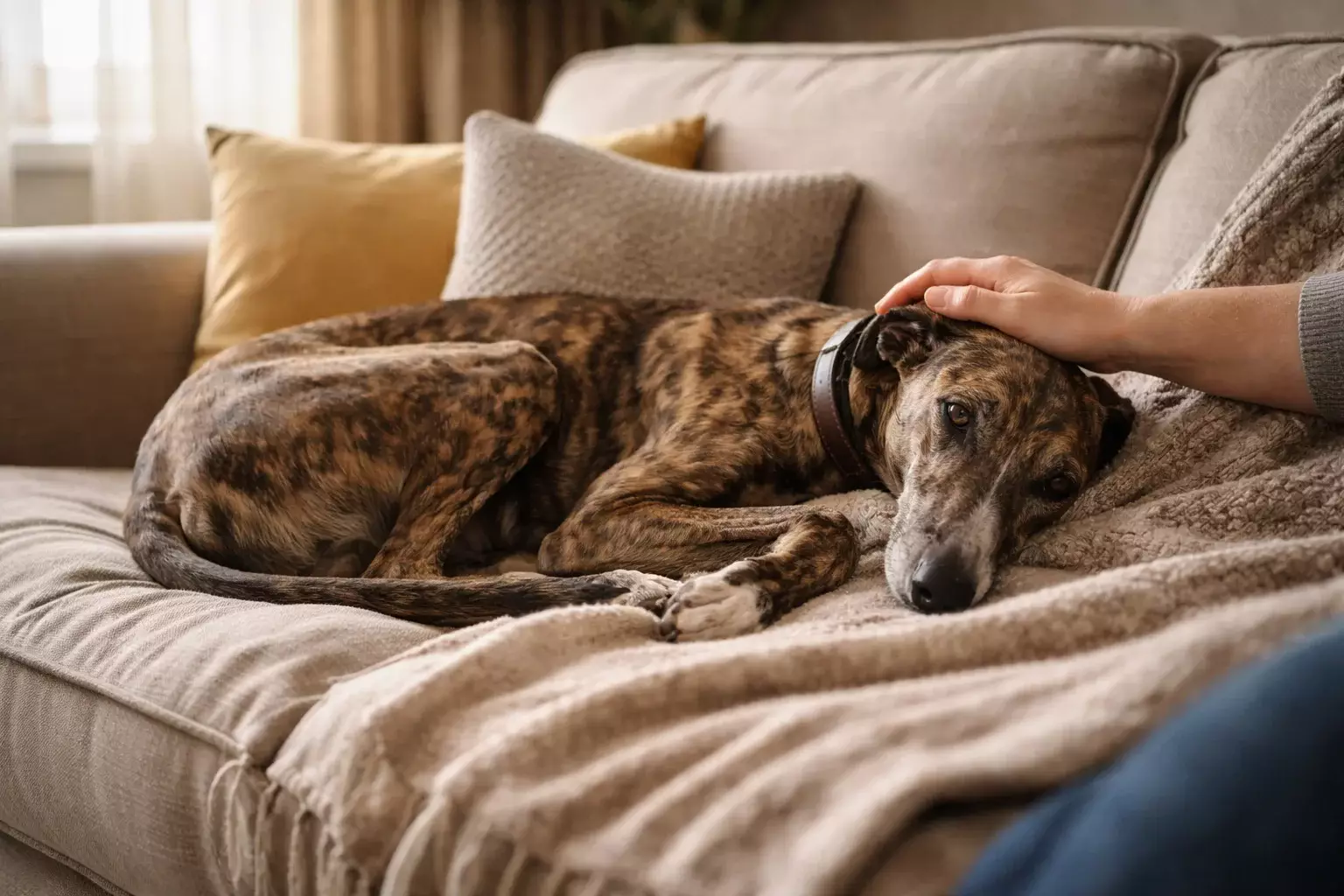
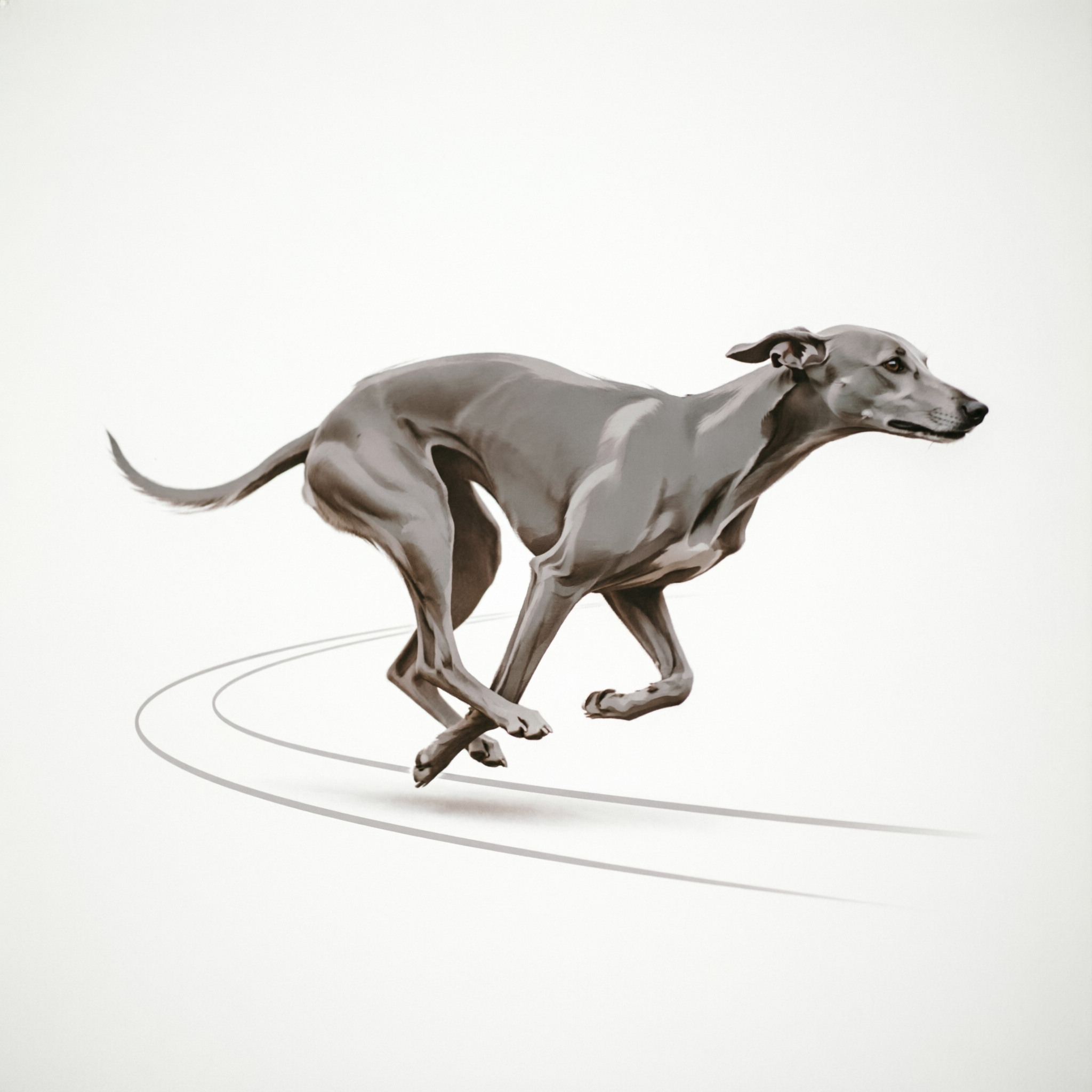
Racing ends, life begins. That phrase captures something essential about retired greyhounds. These dogs, bred for speed and trained for competition, transition into domestic life with surprising ease. They are calm, affectionate, and considerably less demanding than their athletic background might suggest. Adopting a retired greyhound offers the chance to provide a home for a dog that has likely never experienced one while gaining a companion whose temperament suits most living situations.
The UK’s network of homing centres exists precisely to facilitate these transitions. More than 100 GRS-approved centres operate across the country, each working to match retired racers with suitable adopters. The Greyhound Retirement Scheme, administered by GBGB, supports these centres financially while maintaining standards that protect both dogs and adopters.
Adoption figures reflect growing awareness of greyhounds as pets. According to GBGB data, there has been a 37% increase in adoptions from GRS-approved centres comparing January to June 2025 against the same period in 2024. More people are discovering what greyhound enthusiasts have long known: these dogs make exceptional companions.
Finding a Centre
The Greyhound Retirement Scheme maintains a network of approved homing centres throughout the UK. These centres undergo assessment to ensure they meet welfare standards and can properly prepare dogs for domestic life. Over 100 GRS-approved centres currently operate, providing geographic coverage that puts most potential adopters within reasonable distance of at least one facility.
The Greyhound Trust operates the largest network, with branches across England, Scotland, and Wales. Each branch functions semi-independently, handling local adoptions while benefiting from centralised resources and standards. Other organisations, including Greyhound Rescue Wales, Forever Hounds Trust, and numerous smaller charities, also hold GRS approval and offer adoption services.
What to Look For
GRS-approved status matters because it indicates the centre meets specific requirements for dog welfare and adopter vetting. Centres must assess each dog’s temperament, health, and suitability for different home environments. They must provide accurate information to adopters about individual dogs rather than simply moving animals out as quickly as possible.
Visiting centres before committing allows you to see conditions firsthand and ask questions. Well-run centres welcome potential adopters, encourage multiple visits, and take time to understand what you are looking for in a dog. Centres that pressure you into immediate decisions or seem reluctant to answer questions should prompt caution.
Regional Considerations
Centre proximity affects practical matters like home visits and follow-up support. Local centres can conduct pre-adoption assessments more easily and often provide ongoing advice when questions arise after adoption. Some centres specialise in dogs with particular needs, including those requiring medical attention or those best suited to experienced owners.
The GBGB website provides contact details for approved centres, though direct approaches to individual charities often yield the most responsive communication. Many centres maintain waiting lists, particularly for dogs with specific characteristics that adopters commonly request.
Adoption Process
Adoption through GRS-approved centres follows a structured process designed to create successful matches. The stages may vary slightly between centres, but core elements remain consistent. Understanding what to expect helps prospective adopters prepare and demonstrates that proper centres take placement seriously rather than treating adoption as a transaction.
Application and Assessment
Most centres require an initial application covering your living situation, experience with dogs, family composition, and what you seek in a pet. This information helps centre staff identify potentially suitable dogs before investing time in detailed discussions. Some centres conduct preliminary phone conversations to clarify details and assess basic suitability.
Home visits form a standard part of the process. A centre representative visits your home to assess the environment, check garden security, and discuss practical arrangements. This visit is not an inspection designed to catch you out. It helps the centre understand your circumstances and provides an opportunity to discuss any modifications that might be needed, such as secure fencing or management of stairs.
Meeting Dogs
Centre visits allow you to meet available dogs and begin forming impressions. Staff can suggest dogs that might suit your situation based on temperament assessments conducted during the dog’s time at the centre. Multiple visits are normal and encouraged. Rushing this stage benefits nobody.
Some centres offer foster-to-adopt arrangements where dogs spend trial periods in prospective homes before final adoption. These arrangements help both parties. The dog experiences domestic life in a real environment while the adopter gains clarity about whether the match works. Not all dogs suit all homes, and discovering this during a trial period causes less disruption than discovering it after formal adoption.
Adoption Fees and Support
Adoption fees vary between centres but typically cover vaccinations, neutering or spaying, microchipping, and initial veterinary checks. The fee represents a fraction of what these services would cost privately. Centres often provide starter packs including leads, collars, and food samples to ease the transition.
Post-adoption support distinguishes good centres from adequate ones. Follow-up calls, advice lines, and in some cases home visits after placement help address issues before they become problems. Centres genuinely committed to successful outcomes maintain contact rather than considering their job complete once the dog leaves.
Living with a Greyhound
The greyhound reputation as a couch potato has some basis in reality. Despite their athletic breeding, retired greyhounds typically spend large portions of the day sleeping. A comfortable bed, moderate daily exercise, and regular feeding satisfy most of their needs. They are not hyperactive dogs requiring constant stimulation.
Exercise requirements surprise many first-time owners. Two moderate walks daily generally suffice. Greyhounds enjoy short bursts of speed in secure areas but do not need or particularly want marathon exercise sessions. Their sprinting heritage means they can reach high speeds quickly, which has implications for off-lead exercise. Many greyhounds can never safely be let off lead due to prey drive, though individual temperaments vary considerably.
Temperament Traits
Greyhounds tend toward gentleness and sensitivity. They respond poorly to harsh treatment and thrive with calm, consistent handling. Their sensitivity means they often pick up on household tensions and may become anxious in chaotic environments. Families with young children should consider whether their household suits this temperament.
Prey drive varies between individuals. Some greyhounds live happily with cats and small animals. Others absolutely cannot. Centres assess prey drive during fostering periods and can advise on suitability for homes with other pets. Never assume a greyhound is safe with small animals without proper assessment, and always supervise initial introductions carefully.
Practical Adjustments
Retired racing greyhounds may never have experienced stairs, glass doors, televisions, or domestic appliances. Patience during the settling period matters. What seems obvious to humans may be entirely novel to a dog that has spent its life in a kennel environment. Most greyhounds adapt quickly, but initial confusion is normal rather than concerning.
Greyhounds feel the cold more than many breeds due to their thin coats and low body fat. Coats for outdoor wear in winter are practical necessities rather than fashion accessories. Indoor temperature matters too; greyhounds appreciate warm beds and may seek out radiators or sunny spots.
Important Notice
This article provides general guidance about adopting retired greyhounds and does not replace advice from homing centres or veterinary professionals. Individual dogs have individual needs; always discuss specific requirements with the adoption centre handling your placement. Adoption fees, processes, and availability vary between centres and change over time. Contact centres directly for current information. Statistics cited reflect published data at the time of writing. Adopting any pet represents a long-term commitment; ensure you can provide appropriate care before proceeding.
Adopting a Retired Greyhound — More on this topic at results romford dogs.
See also Romford 575m Races.
