 Romford Dogs
  Available in US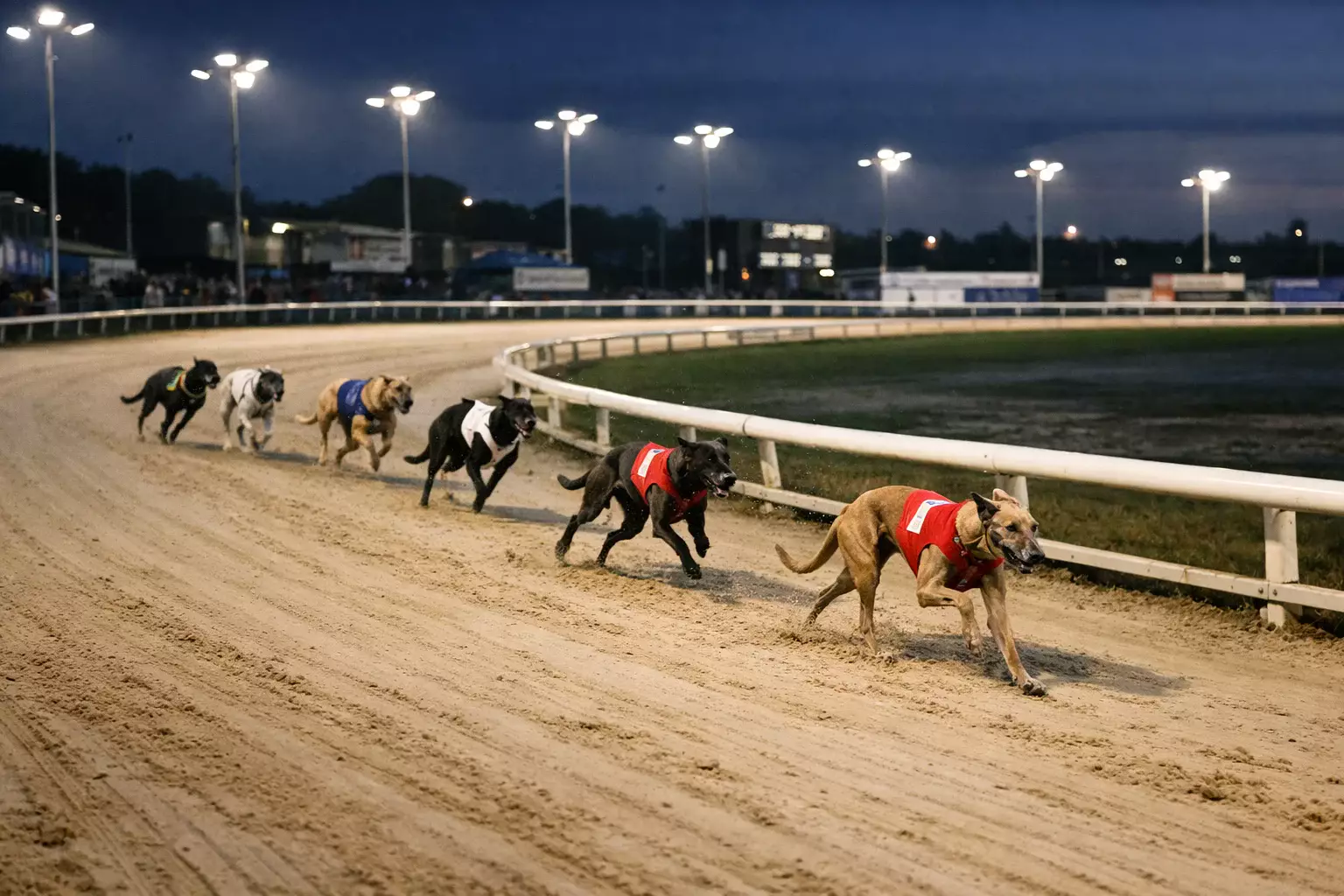
Stamina tells. At 750 metres, Romford’s marathon distance separates genuine stayers from dogs merely attempting to extend their range. Two full laps of the 350-metre circumference test attributes that shorter races never reveal: the ability to sustain pace through four bends, recover from early crowding, and find reserves when rivals begin to tire. With only 18 licensed UK tracks remaining as of January 2025, marathon racing has become concentrated at fewer venues, making Romford’s 750m contests increasingly significant for stayer specialists.
The 750m trip demands different analysis than sprint or middle distance events. Early pace still matters, but a dog that burns itself out reaching the front may fade badly through the final two bends. Late closers find more opportunity here than at any other Romford distance, though they need genuine finishing speed to capitalise on front-runners who weaken.
This guide examines what makes 750m racing distinct, how pacing strategies separate winners from also-rans, and which form indicators deserve attention when assessing stamina specialists. The marathon rewards those who read form correctly and punishes those who assume sprint selection methods translate to longer trips.
750m Characteristics
Romford’s 750m races cover two complete circuits of the track, starting and finishing on the home straight. Dogs navigate four bends at racing pace, each presenting opportunities for trouble and each demanding energy expenditure. The cumulative effect distinguishes this distance from everything shorter. A greyhound might handle one or two bends brilliantly but struggle when asked to repeat the process through a second lap.
The race unfolds over approximately 47 to 50 seconds for class runners, compared to roughly 24 to 26 seconds for standard 400m events. This extended duration changes everything about race dynamics. Mistakes have time to compound. Advantages earned early can dissipate through fatigue. The race is won in the final 200 metres more often than at any other distance.
Four-Bend Demands
Each bend presents choices. Rail position offers the shortest route but risks crowding. Wider lines sacrifice ground but provide cleaner running. At 750m, dogs face these choices four times, and cumulative position loss adds up. A dog running wide through every bend might cover significantly more ground than a tight-railing rival, enough to transform apparent form advantages into actual defeats.
Bend technique varies between individuals. Some greyhounds corner naturally tight, maintaining speed through the turns without losing ground. Others drift wide under pressure, particularly when tired. Form comments describing bend running become especially valuable at this distance, where corner efficiency determines whether early pace translates into finishing position.
Stamina Requirements
The 750m trip reveals stamina limits that shorter races conceal. A dog might show explosive early speed at 400m but lack the conditioning to sustain effort over nearly double the distance. Trainers preparing dogs for marathon events adjust workloads, building endurance through longer gallops and managing recovery between races. Dogs campaigned exclusively at sprint distances rarely transition successfully to staying trips without preparation time.
In 2024, GBGB registered 5,133 new greyhounds according to the GBGB Progress Report, among them dogs that would eventually specialise in staying distances. The stayer population represents a subset with specific physical and temperamental characteristics suited to the demands of extended racing.
Pacing Strategies
Two broad approaches dominate 750m racing: lead and sustain, or track and pounce. Front-running greyhounds attempt to secure early position and maintain enough pace to hold off closers through the final straight. Tracking greyhounds settle behind the pace, conserve energy through the middle stages, and accelerate when leaders begin to fade. Neither approach guarantees success; both require execution suited to individual capabilities.
Front-Running
Front-runners at 750m face a different challenge than sprint leaders. Clearing the field early and dictating pace sounds advantageous, but the extended distance means maintaining that position requires sustained effort. A dog that leads through the first lap must still find enough to hold position through the second. Many front-runners set strong early fractions only to fade dramatically in the final 200 metres.
Successful marathon front-runners combine early pace with genuine stamina. They do not simply outsprint rivals to the first bend; they establish leads and extend them gradually through economic running. Form showing consistent early leads followed by holding positions rather than fading suggests genuine staying front-running ability.
Tracking and Closing
Closers accept early position loss in exchange for conserved energy. They track the pace through the opening circuits, avoiding the effort required to compete for the lead. When front-runners tire, closers accelerate, using their reserves to overhaul fading rivals.
This strategy requires patience and precise timing. Move too early and the closer expends energy before leaders actually fade. Move too late and there is insufficient time to make up ground. Successful closers show patterns of running prominently rather than leading, finishing strongly from mid-division, and finding speed in the closing stages that earlier positions did not suggest.
Pace Assessment
Predicting how a 750m race will unfold requires assessing the likely pace scenario. Fields loaded with front-runners typically produce fast early fractions and opportunities for closers. Fields without clear pace may produce tactical races where nobody wants to lead, potentially setting up front-runners who can dictate slow early tempo and sprint home.
Trap draws influence pace scenarios. Inside draws for confirmed front-runners create early crowding if multiple dogs want the rail. Outside draws for closers provide room to settle without interference. Reading the draw alongside running styles helps anticipate how the race might develop.
Form Reading Marathon
Form analysis for 750m races prioritises different indicators than sprint assessment. Overall times matter less than the pattern of sectional splits. A dog recording fast overall times through blistering early sections followed by slow closing splits lacks the stamina profile for consistent marathon success. Consistent sectionals suggesting sustainable pace provide more confidence than fast times achieved through front-loaded effort.
Distance Form Priority
Previous 750m performances carry the most weight. Dogs stepping up from middle distances enter unknown territory; stepping down from 925m represents a different question about speed rather than stamina. Proven form at the actual distance removes guesswork about whether a dog handles the trip.
Recent form matters more than historical patterns. A dog that won 750m races six months ago but has since campaigned at shorter trips may have lost staying sharpness. Trainers shifting dogs between distances often do so for reasons form readers cannot see. Current preparation for the specific distance provides the clearest guide.
Running Comments
Racecard comments describing how dogs finish their races prove especially valuable at marathon distances. Phrases indicating strong finishes, gathering rivals late, or running on suggest stamina. Descriptions of fading, weakening, or stopping indicate dogs reaching their distance limits. These observations from experienced race readers capture information that times alone cannot convey.
Comments about bend running through the later stages deserve attention. A dog that corners tightly when fresh may drift wide when tired, losing ground precisely when it can least afford to. Consistent bend behaviour throughout races suggests genuine staying quality rather than early speed eventually exposed by the trip.
Recovery Patterns
Marathon races take more out of greyhounds than shorter trips. Recovery time between races affects subsequent performance more obviously at staying distances. Dogs asked to race twice weekly may show declining form as accumulated fatigue catches up. Noting the gaps between races and how dogs have performed after previous marathon efforts helps identify those likely to run their races rather than those potentially feeling the effects of recent exertion.
Important Notice
This article provides educational information about Romford 750m races and greyhound stamina racing. Form patterns and pacing strategies describe tendencies observed in racing, not guaranteed outcomes. All betting involves financial risk. Conduct your own analysis before placing any bets, and never wager more than you can afford to lose. Responsible gambling tools are available through licensed operators. If gambling becomes problematic, support is available from GambleAware and the National Gambling Helpline. You must be 18 or over to bet in the UK.
Romford 750m Races — More on this topic at results romford dogs.
See also Greyhound Sire Statistics.
