 Romford Dogs
  Available in US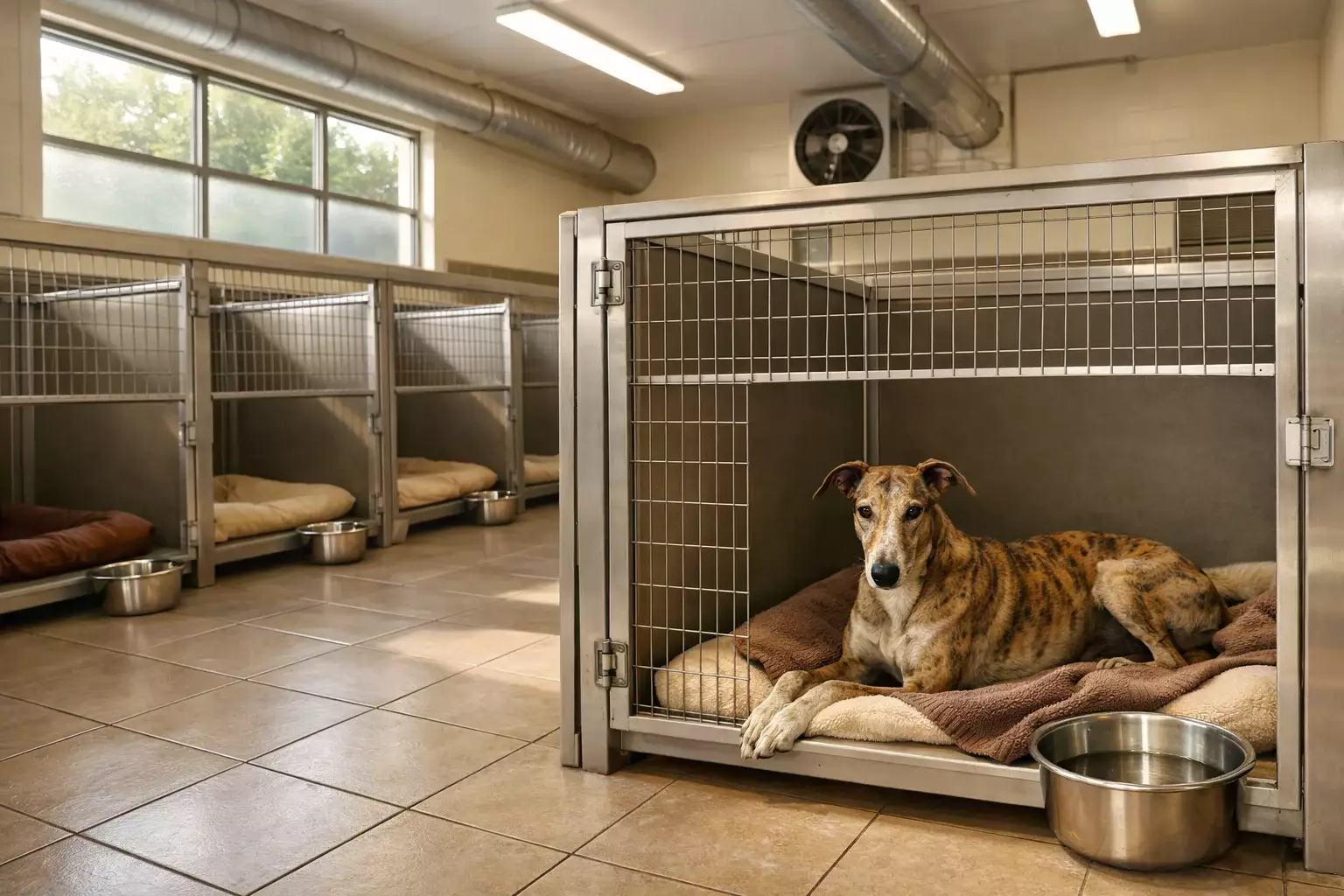
Behind every greyhound that breaks from the traps at Romford sits a network of regulated housing, daily care routines, and licensing requirements that most punters never see. Kennelling standards in UK greyhound racing operate under rules set by the Greyhound Board of Great Britain, and those rules have teeth. GBGB-licensed trainers must provide housing that meets specific dimensions, ventilation requirements, and hygiene protocols. Fall short, and you risk losing your licence.
This matters for anyone who cares about what happens between race nights. Whether you follow form for betting purposes or simply want to know how racing greyhounds actually live, understanding kennelling standards answers questions the racecard cannot. The standards cover everything from minimum kennel sizes to temperature control, bedding quality to exercise provisions. These are not vague guidelines. They are enforceable requirements subject to regular inspection, and the inspection regime itself has expanded significantly in recent years.
What follows breaks down the housing requirements, explains how GBGB enforces them, and covers the training framework that keeps kennel staff current on welfare practices.
Housing Requirements
GBGB kennelling rules specify minimum dimensions that give greyhounds room to stand, turn, stretch, and lie comfortably. A kennel housing a single greyhound must provide sufficient floor space for the dog to assume natural positions without restriction. The exact measurements depend on the individual dog’s size, but the principle is consistent: cramped housing fails inspection.
Ventilation requirements exist to prevent respiratory issues and maintain air quality. Kennels need adequate airflow without exposing dogs to draughts or temperature extremes. In practice, this means positioned vents, fans in warmer months, and heating systems that maintain comfortable temperatures during winter. British weather being what it is, the heating specification matters more than casual observers might expect.
Bedding standards require clean, dry, and comfortable materials that are changed regularly. Straw, shredded paper, and purpose-made bedding all qualify, provided they are maintained properly. The emphasis falls on hygiene as much as comfort. Soiled bedding creates health risks that affect both welfare and racing performance. Trainers who cut corners here typically pay the price in veterinary bills before they ever face a licensing issue.
Exercise and Turnout
Housing requirements extend beyond the kennel itself. Greyhounds must have access to paddock or turnout areas where they can exercise freely, socialise with other dogs where appropriate, and simply behave like dogs rather than racing machines. The duration and frequency of turnout sessions form part of GBGB’s welfare assessments. A greyhound that spends its entire existence in a kennel between races does not meet licensing standards.
The GBGB’s Trainers’ Assistance Fund reflects the cost of meeting these requirements. In 2024, £503,910 was awarded through this fund to help licensed trainers upgrade their facilities. Grants have supported kennel block improvements, drainage systems, and heating installations. The fund exists because meeting standards costs money, and the regulatory body recognises that making compliance achievable serves welfare better than simply punishing those who struggle to afford upgrades.
Hygiene Protocols
Daily cleaning routines are not optional suggestions. Kennels must be cleaned at least once daily, with waste removed and bedding checked. Disinfection schedules prevent disease transmission, particularly important when dogs from different owners share training facilities. Water must be available at all times, and feeding areas must be kept separate from soiled zones. These requirements sound basic, and they are. That is rather the point. Basic welfare should be a given, not an aspiration.
Inspection Process
GBGB employs Regional Greyhound Inspectors who conduct both scheduled and unannounced visits to licensed kennels. The scheduled visits establish a baseline, covering all licensed premises at regular intervals. The unannounced visits provide the real test. A kennel that looks pristine when the inspector is expected might tell a different story when they arrive without warning.
The inspection regime has intensified considerably. According to GBGB’s 2025 Progress Report, there has been a 73% increase in routine kennel visits since 2022. This expansion reflects a deliberate strategy rather than a response to specific problems. More eyes on more premises more often creates accountability. It also generates data that helps GBGB identify patterns, whether positive examples worth sharing or concerning trends requiring intervention.
Inspectors assess housing against the documented standards, but they also look at the broader picture. Dog condition tells its own story. Weight, coat quality, demeanour, and behaviour during handling all contribute to the assessment. A facility might tick every box on paper while the dogs themselves show signs of stress or neglect. Experienced inspectors recognise the difference between minimum compliance and genuine welfare.
Consequences of Non-Compliance
Trainers who fail inspection face a graduated response. Minor issues might receive a warning with a specified timeframe for correction, followed by a re-inspection. More serious failings can result in licence suspension, preventing the trainer from racing greyhounds until problems are resolved. In the worst cases, licence revocation removes individuals from the sport entirely. The GBGB maintains a disciplinary process that includes hearings and appeals, but the fundamental principle remains straightforward: meet the standards or stop training.
Financial penalties can accompany other sanctions, though the real cost of losing a licence typically outweighs any fine. Trainers build their livelihoods around greyhound racing. The threat of exclusion concentrates minds in ways that penalties alone might not.
Training and CPD
Kennelling standards mean nothing if the people responsible for daily care lack the knowledge to implement them properly. GBGB addresses this through continuing professional development requirements that apply to trainers and their staff. The expectation is that welfare knowledge evolves alongside best practice, and those working with greyhounds must evolve with it.
The CPD programme covers practical topics: recognising early signs of illness, proper nutrition, injury prevention, and psychological welfare. Greyhounds are not simply athletes to be maintained like racing cars. They are sentient animals with behavioural needs that extend beyond physical health. Training modules address enrichment, socialisation, and stress management alongside the more obvious subjects.
In 2024, stakeholders across the sport accumulated 582 hours of free CPD through GBGB-provided materials and sessions. This figure reflects engagement with the programme rather than mere availability. Trainers who ignore CPD opportunities may find their licence renewal complicated by questions about their commitment to current welfare standards.
Knowledge Transfer
Licensed trainers employ kennel staff who handle daily care responsibilities. The CPD framework extends to these employees, ensuring that welfare knowledge permeates the entire operation rather than residing solely with the licence holder. A trainer who understands best practice but employs staff who do not has not truly met the standard.
GBGB publishes guidance documents, updates rules in response to emerging evidence, and facilitates knowledge sharing among trainers. The regulatory role extends beyond enforcement into education. When trainers understand why standards exist, compliance becomes more than box-ticking. It becomes practice that actually benefits the dogs in their care.
Important Notice
This article provides general information about UK greyhound kennelling standards and is not legal or regulatory advice. Licensing requirements and inspection processes may change; always consult current GBGB documentation for the latest standards. Trainers seeking licence information should contact GBGB directly. Statistics cited reflect published GBGB data at the time of writing. This content is intended for informational purposes and does not constitute endorsement of greyhound racing or betting activities. Gambling involves risk; bet responsibly and only with funds you can afford to lose.
UK Greyhound Kennelling Standards — More on this topic at results romford dogs.
See also UK Greyhound Breeding.
